Why We Install It: Professional Gazebo Assembly That Lasts
When you order a gazebo kit, the box arrives full of promise. You imagine afternoons under the shade canopy, the smell of grilled food, and a comfortable spot that extends your living space outdoors. Then you open the box and see the hardware kit, the aluminum frame pieces, and the steel roof panels. The reality of kit assembly sets in fast.
I have watched too many homeowners attempt this on their own. A Saturday project turns into a weekend frustration. The instructions assume you own a full set of leveling tools, a drill driver, a socket set, and a cordless screwdriver. They also assume you know how to read exploded diagrams and can lift heavy roof sections without damaging the finish. Most people underestimate the time, the physical demand, and the precision required. That is where a service like "We Install It" makes the difference between a wobbly structure and a permanent outdoor room.
What Kit Assembly Actually Requires
A typical gazebo kit from a big-box store contains dozens of parts. The rafter ties, gable ends, base plates, and roof brackets all need to align within a few millimeters. Even a small error in the first step multiplies as you add more sections. I have seen people skip the concrete footing step because they thought the grass would hold. Then the first strong wind lifts the whole thing off the ground. The anchoring system is not optional. It is the difference between a gazebo that stays put and one that becomes a hazard.
The frame materials also matter. An aluminum frame is lighter and resists rust, but it bends more easily than steel if you overtighten a bolt. A steel roof adds weight and durability, but handling those panels alone is risky. You need at least two people to lift and align them without scratching the coating. The hardware kit usually includes bolts, washers, and screws that look simple but require a specific torque. Using the wrong tool or the wrong angle can strip the threads. That is why professionals carry a full socket set and know which fasteners need a cordless screwdriver versus a manual wrench.

Site Preparation Is Half the Battle
Before any frame goes up, the ground has to be level. A patio installation might look flat to the eye, but a laser level will show a slope of a few degrees. That slope puts stress on the joints and makes the roof panels sit unevenly. For a deck mounting, you need to locate the joists and anchor the base plates with lag bolts that reach solid wood, not just the deck boards. If the gazebo sits on grass or dirt, a concrete footing is the only reliable foundation. Digging holes, mixing concrete, and waiting for it to cure takes days. Many DIYers skip this step and regret it after the first storm.
I have also seen people try to mount a gazebo on an existing concrete patio without checking the thickness. A standard 4-inch slab might not hold the anchors if the concrete is old or cracked. Professionals use hammer drills and expansion anchors to get a grip that lasts. They also know where to place the anchors so they do not hit buried utility lines. That kind of knowledge comes from experience, not from reading a manual.
Accessories That Add Value, Not Headaches
Once the frame is up, the accessories turn a basic shelter into a usable space. Mosquito netting keeps bugs out during summer evenings. Privacy screens block the view from neighbors and create a cozy corner. Installing these correctly means attaching them to the frame without tearing the fabric or leaving gaps. The netting has to be tensioned evenly, or it sags and lets insects in. The screens need clips or tracks that align with the frame channels. A professional knows which fasteners work with aluminum and which ones will corrode over time.
The same goes for the shade canopy. Most kits include a fabric top that snaps or ties onto the roof frame. If you do not stretch it evenly, water pools on top and the fabric stretches or tears. The gust lock system that secures the canopy to the frame is often a small plastic piece that is easy to break. A careful installer uses the right sequence of fasteners and checks the tension at every corner.
Why "We Install It" Is the Right Call
I have been involved in gazebo assembly for years, and I can tell you that the most common problems come from small mistakes. A rafter tie that is not fully seated. A gable end that is bolted at the wrong angle. A base plate that shifts while you tighten it. These errors are hard to fix after the frame is up. You have to disassemble half the structure to correct them. That is why a service like "We Install It" exists. They bring the tools, the experience, and the patience to do it right the first time.
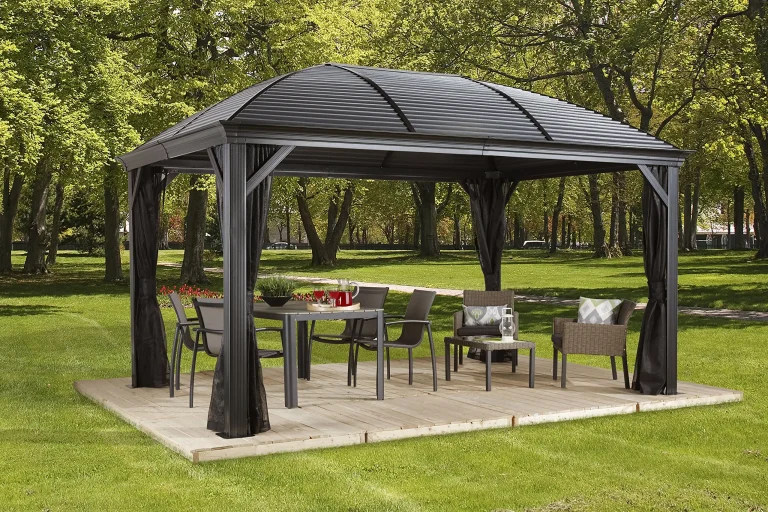
The company does not just assemble the kit. They also handle the prep work that most people ignore. They check the site, pour the concrete footings if needed, and make sure the anchoring system meets local wind codes. They mount the base plates on decks or patios with the correct hardware. They level the frame before tightening any bolts. And they install the accessories like mosquito netting and privacy screens so they work as intended. The result is a gazebo that stands straight, stays secure, and lasts for years.
Tools and Techniques That Professionals Use
A DIY kit usually comes with a small Allen wrench and a stamped steel tool that barely works. A professional kit, the one that "We Install It" brings to every job, includes a full set of leveling tools, a drill driver with adjustable torque, a socket set with deep sockets for long bolts, and a cordless screwdriver with multiple bit types. They use a laser level to check the frame alignment at every stage. They apply anti-seize compound to stainless bolts so they do not gall. They use a torque wrench on critical joints like the rafter ties and the roof brackets. These details matter because the frame has to handle wind loads and snow loads. A loose joint will fail over time.
The steel roof panels require special care. The edges are sharp, and the coating scratches easily. Professionals wear gloves and use lift straps to handle the panels. They start at the gable end and work their way down, overlapping each panel according to the manufacturer's instructions. They also seal the ridge caps and the flashing to prevent leaks. A single missed sealant bead can cause a drip that stains the frame and ruins the fabric below.
The Long-Term Value of Professional Assembly
A gazebo is an investment. The kit itself costs hundreds or thousands of dollars. The time you spend assembling it is valuable too. If you make a mistake, the warranty may not cover it. Many manufacturers require professional installation to keep the warranty valid. That is another reason to use a service that knows how to handle the hardware kit, the anchoring system, and the accessory setup. You get peace of mind and a structure that adds real value to your property.
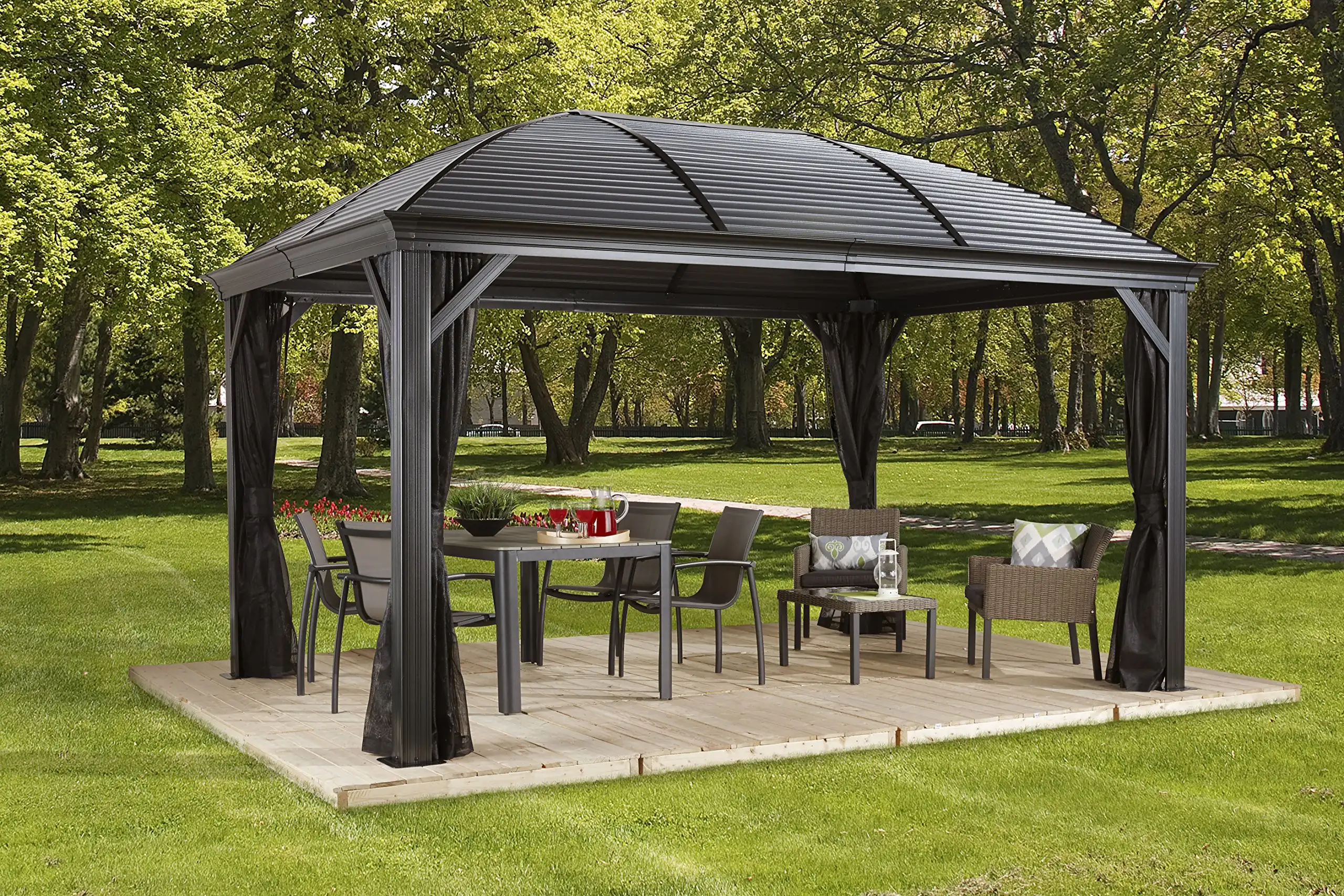
I have seen gazebos that were assembled poorly collapse in a moderate wind. I have seen others that stayed solid for a decade because the base was anchored into concrete footings and the frame was assembled with precision. The difference is not the kit. It is the installation. That is the value of working with people who do this every day. They know the tricks, the pitfalls, and the shortcuts that actually work.
When you decide to buy a gazebo, think beyond the product. Think about how it will be put together. A service like "We Install It" turns a pile of parts into a permanent outdoor room that you can enjoy without worry. The cost of professional assembly is small compared to the cost of fixing a failed structure. And the satisfaction of sitting under a shade canopy that stays square and secure is worth every penny.